If you’ve been researching crawl space solutions, you’ve probably seen both “crawl space repair” and “crawl space encapsulation” come up. They sound similar, and they’re related, but they solve different problems. Choosing the wrong one (or skipping one you actually need) can leave you dealing with the same issues a year from now.
For homeowners in Missouri, Kansas, and Iowa, this distinction matters. Midwest crawl spaces deal with clay soils, seasonal moisture swings, and humidity levels that make both structural damage and ongoing moisture control real concerns. Understanding which solution fits your situation helps you spend money on what actually fixes the problem.
Here’s how to think about it.
Crawl space repair addresses existing damage. That includes structural problems like sagging or uneven floors, deteriorated joists, shifted support posts, cracked crawl space walls, and active water intrusion that’s causing visible harm.
The goal of repair is to restore what’s already been compromised. If your floors bounce, dip, or feel uneven, the framing below may need reinforcement or replacement. If water is pooling or actively entering through walls or the floor, drainage and discharge solutions stop the source. If supports have settled or rotted, new engineered supports bring things back to level.
Repair is reactive. Something is broken or failing, and it needs to be fixed before conditions get worse.
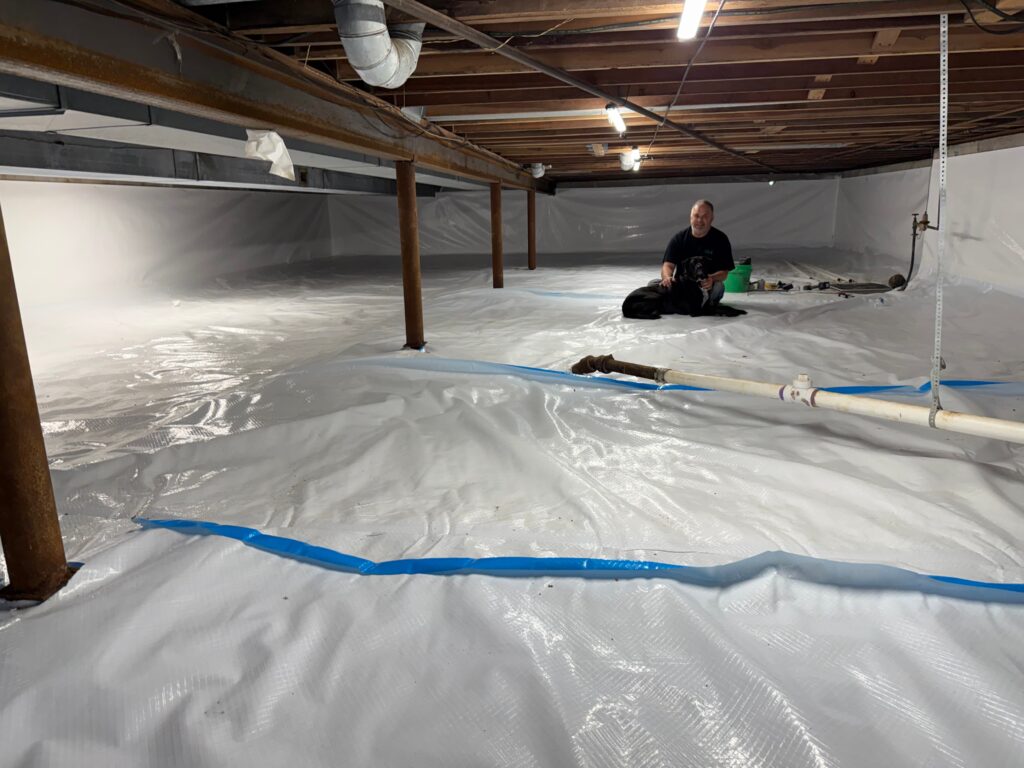
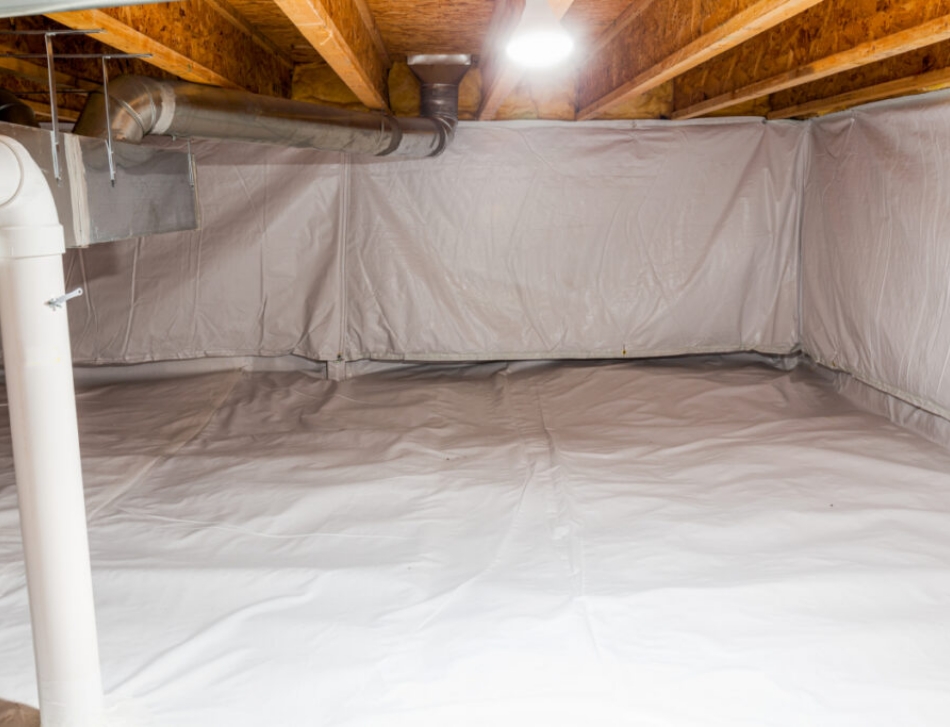
Encapsulation is a moisture-control system designed to prevent problems from developing or returning. It seals the crawl space from ground moisture and outside air using a heavy-duty vapor barrier across the floor and walls, sealed vents, and controlled dehumidification.
The purpose is to keep humidity in a safe range, block soil vapor from entering the home, improve indoor air quality, and protect wood framing and insulation from long-term moisture exposure. In Midwest homes, where summer humidity regularly pushes into the 70 to 80 percent range outdoors, an unsealed crawl space acts like a funnel for damp air.
Encapsulation is proactive. It creates stable, dry conditions that prevent mold, wood rot, pest attraction, and energy loss from taking hold over time.
Crawl Space Repair | Crawl Space Encapsulation | |
Purpose | Fixes existing structural or water damage | Prevents future moisture-related problems |
What it addresses | Sagging floors, damaged framing, cracked walls, active water entry | Humidity, vapor transmission, air quality, insulation performance, energy loss |
When it’s needed | Visible damage, floor instability, standing water | Musty odors, high humidity, cold floors, condensation, pest activity |
Approach | Reactive: something is broken and needs to be fixed | Proactive: creates stable conditions to prevent damage |
Timeline | Typically 1 to 3 days | Typically 1 to 3 days |
Long-term role | Restores the structure | Protects it going forward |
In many Midwest homes, the answer isn’t one or the other. It’s both.
Here’s a common scenario: years of uncontrolled moisture have weakened joists and caused support posts to settle. The structural damage needs repair, but the moisture that caused it is still present. If you only repair the structure without addressing the environment, the same conditions will eventually cause the same damage again.
The reverse is also true. If you encapsulate a crawl space without first fixing damaged framing or removing standing water, you’re sealing in problems rather than solving them.
A proper inspection identifies what’s damaged, what’s causing it, and the right sequence to address both. For most homes with longstanding crawl space issues, repair comes first, then encapsulation locks in stable conditions for the long term.
Start with what you’re experiencing:
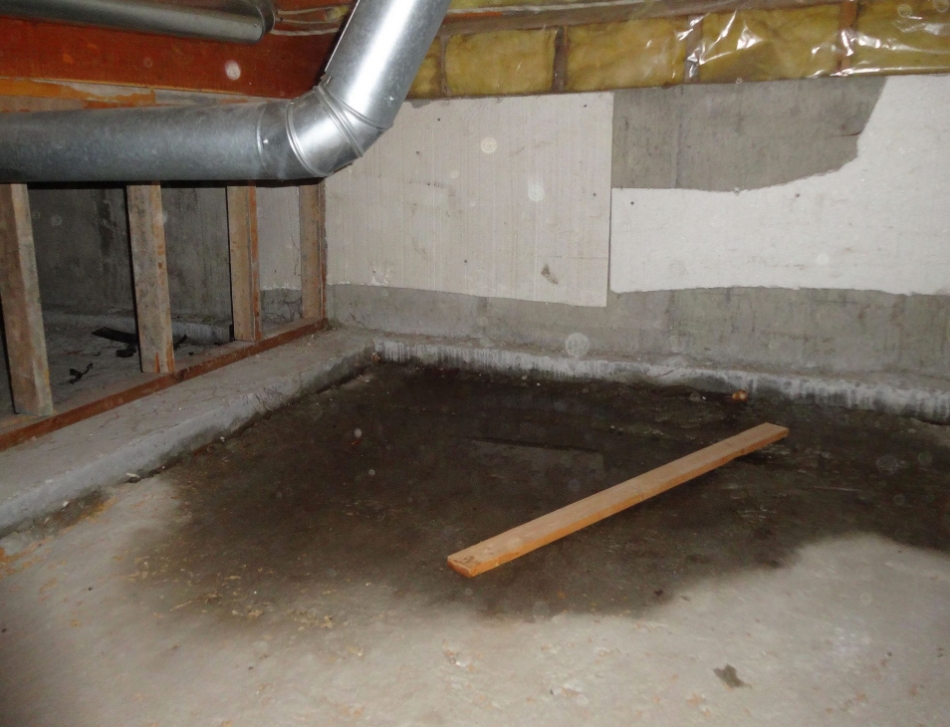
If you notice sagging floors, bouncy spots, visible wood damage, shifted supports, or active water in the crawl space, crawl space repair is likely the starting point. These are signs of existing structural or water problems that need direct intervention.
If you notice musty odors indoors, high humidity readings, cold floors in winter, condensation on ducts or pipes, pest activity, or falling insulation but no visible structural failure, encapsulation may be the primary solution. These signs point to an environmental problem rather than a structural one.
If you’re seeing signs from both categories, you likely need a combination. That’s not unusual for older homes in Kansas City, Wichita, Des Moines, Columbia, and surrounding areas where crawl spaces have gone untreated for years.
The most reliable way to know is a professional inspection. A trained eye can distinguish between cosmetic wear, active damage, and environmental conditions that need correction.
It depends on the condition of the space. If there’s active water intrusion or structural damage, those issues should be addressed before sealing the space. Encapsulating over existing problems can trap moisture and make things worse. An inspection will clarify whether repair is needed first.
It can be. Even crawl spaces that appear dry may have elevated humidity, vapor transmission from the soil, or seasonal moisture that contributes to odors, energy loss, and slow material deterioration. If you notice musty smells or cold floors, the space may not be as dry as it looks.
A properly installed encapsulation system with quality materials is designed to last for many years. Longevity depends on liner thickness, installation quality, and whether dehumidification and drainage are maintained. Most systems require minimal upkeep beyond occasional dehumidifier checks.
Both can contribute. Repair eliminates entry points and removes damaged materials that attract pests. Encapsulation seals the space, reduces moisture that insects and rodents are drawn to, and makes the environment less hospitable overall.
The right solution depends on what’s actually happening under your home, not a guess based on symptoms alone. Whether your crawl space needs structural repair, moisture control through encapsulation, or a combination of both, a professional inspection gives you a clear answer and a plan you can trust.
Schedule a free crawl space inspection with Dry Basement® Foundation Repair. We serve homeowners across Missouri, Kansas, and Iowa, including Kansas City, Wichita, Des Moines, and Columbia.
Since 1975 Dry Basement® has protected homes across Missouri, Kansas, and Iowa from foundation movement, water intrusion, and structural damage.
Family-owned since 1975. Honest assessments, engineered systems, and lifetime transferable warranties on qualified work.
Family-owned since 1975. Honest assessments, engineered systems, and lifetime transferable warranties on qualified work.
Expert advice on waterproofing, foundation repair, crawl spaces, and mold, written for Midwest homeowners.
Expert advice on waterproofing, foundation repair, crawl spaces, and mold, written for Midwest homeowners.
Build a career with a Midwest company that has protected homes since 1975. Competitive pay, year-round work, and room to grow.
Every home is different. We design customized, engineered systems that deliver a permanent fix. Our certified crews protect your home for the long term.
Not sure what you are looking at? These are the questions Midwest homeowners ask us most, answered by our inspectors: what causes each problem, how serious it is, and how we fix it.