“Crawl space renovation” can mean a lot of things depending on who you ask. For some homeowners, it’s fixing a moisture problem. For others, it’s addressing sagging floors or sealing out pests. In most cases, it’s a combination of work designed to turn a neglected, damp space into one that actually supports the health and stability of your home.
For homes across Missouri, Kansas, and Iowa, crawl spaces take on extra stress. Clay soils hold moisture for weeks after rain. Summers push humid air into cooler below-grade spaces. And freeze-thaw cycles open gaps that let water and pests in over time. If your crawl space hasn’t been touched in years, chances are it’s working against your home rather than for it.
This guide covers what crawl space renovation typically involves and how to know if yours needs attention.
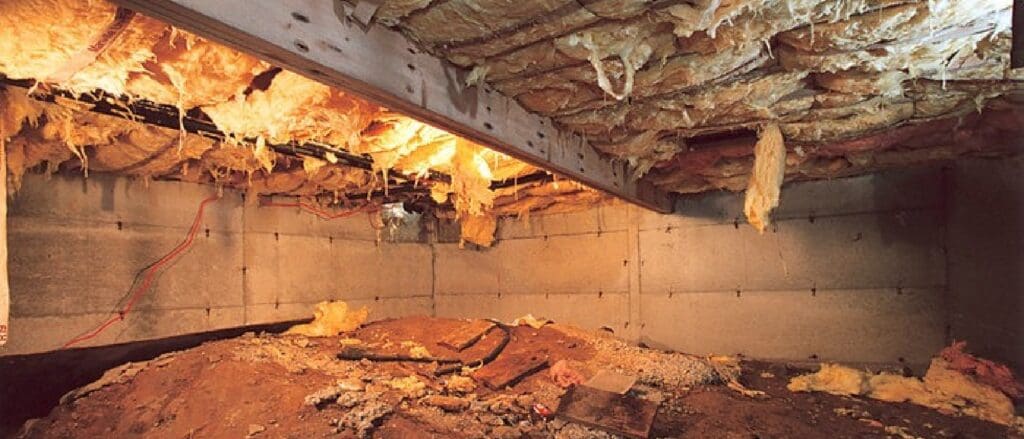
Your crawl space affects more of your home than you’d think. It influences indoor air quality, floor temperature, energy efficiency, and structural support. Problems that start below (moisture, mold, wood rot, pest damage) rarely stay contained. They move into your living space through air movement, weakened framing, and insulation failure.
Most homeowners don’t think about the crawl space until something feels wrong upstairs. But addressing issues early is simpler, less expensive, and prevents compounding damage.
Homes in Kansas City, Wichita, Des Moines, Columbia, and surrounding areas share a set of crawl space challenges driven by local soil and weather:
No two crawl spaces are identical, so renovation is always tailored to what the inspection finds. But most projects draw from the same set of proven solutions:
The right combination depends on the severity of the problem, the layout of the space, and local soil and moisture conditions.
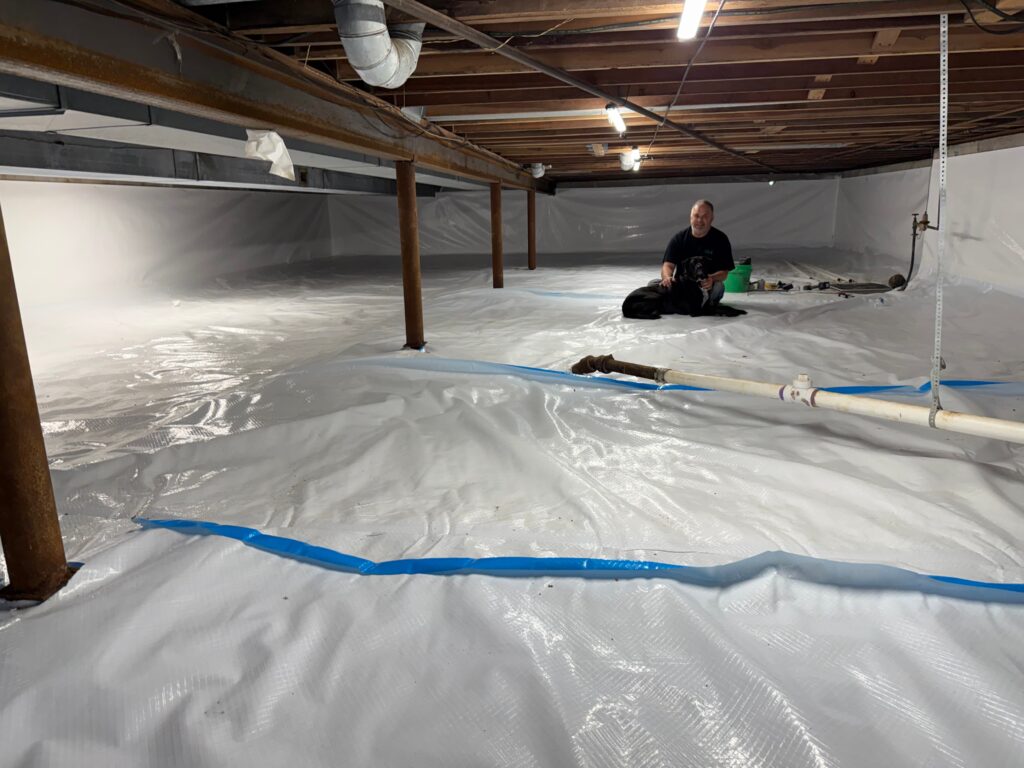
Encapsulation is the foundation of most crawl space renovations. It involves installing a durable, sealed liner across the crawl space floor and up the walls to create a moisture barrier between the ground and your home.
Once sealed, the space is no longer exposed to soil vapor, humidity, or uncontrolled airflow. This single step dramatically reduces moisture levels, limits mold growth, and helps other components (like dehumidifiers and insulation) work more effectively. For most Midwest homes dealing with crawl space humidity or odors, encapsulation is where the fix starts.
You don’t have to crawl under the house to know something is off. Watch for these signs from inside your home:
If several of these sound familiar, a crawl space inspection can confirm what’s happening and what it takes to fix it.
Since 1975, Dry Basement® Foundation Repair has helped homeowners across Missouri, Kansas, and Iowa turn problem crawl spaces into clean, dry, stable environments. Our team inspects for moisture sources, structural concerns, and air quality issues, then builds a plan around what the space actually needs. No guesswork, no one-size-fits-all recommendations. Schedule a free crawl space inspection and get a clear picture of what’s going on beneath your home.
A healthy crawl space supports everything above it: your floors, your air, your comfort, and your home’s long-term value. If yours has been neglected or you’re seeing signs of moisture and damage, now is the time to address it. Schedule a free inspection with Dry Basement® and find out what your crawl space needs to perform the way it should.
How much does crawl space renovation cost?
Cost depends on the size of the space, what work is needed (encapsulation only vs drainage, structural issues, and dehumidification), and access conditions. A free inspection gives you an accurate scope and pricing based on your home.
How long does crawl space encapsulation take?
Most encapsulation projects are completed in one to three days, depending on square footage, drainage needs, and whether structural work is included.
Is crawl space renovation worth it for older homes?
Absolutely. Older Midwest homes often have the most to gain because original ventilation designs, bare earth floors, and decades of moisture exposure create compounding problems. Renovation protects the structure and improves comfort and air quality immediately.
Can I renovate my crawl space if it has low clearance?
Yes. Experienced crews work in tight spaces regularly and use methods adapted for limited access. The inspection will confirm whether your space is workable and what approach fits best.