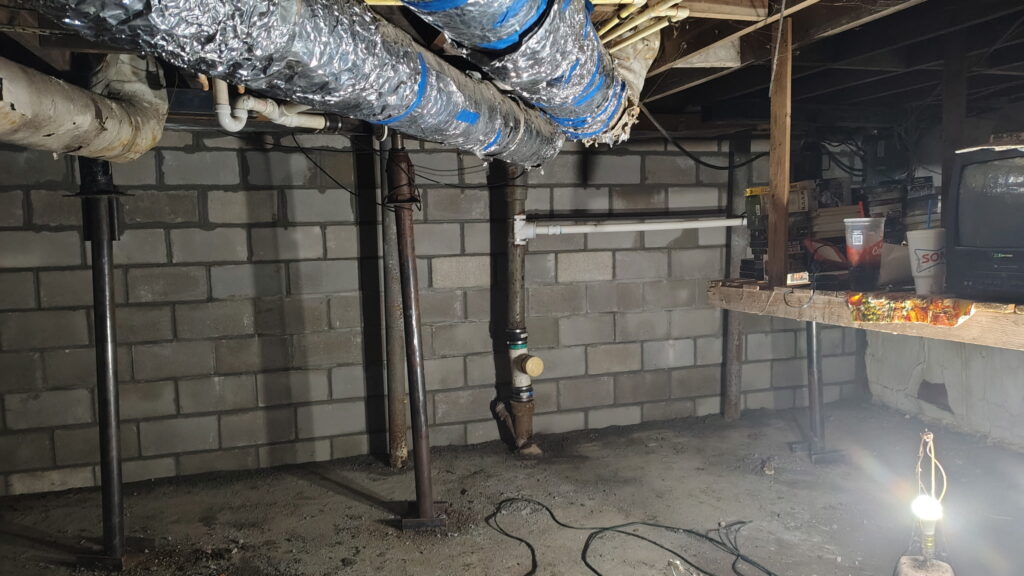
Basement wall damage doesn’t happen overnight. It builds up over months and years as water, soil pressure, and Midwest weather slowly wear down your foundation. For homeowners in Kansas City, Wichita, Des Moines, and surrounding areas, taking steps to protect basement walls before problems develop is far simpler and less expensive than repairing damage after the fact.
The key is understanding what puts your walls at risk and what you can do, both inside and outside your home, to reduce that exposure. Most protective measures are straightforward, and many can be handled before the next storm season hits.
Keeping basement walls dry and structurally sound comes down to controlling how water interacts with your foundation, both outside and inside your home. In the Midwest, that means staying ahead of spring storms, managing clay soil behavior, and catching small issues before they grow. The steps below are practical, proven, and can help extend the life of your basement walls by years. Most don’t require major investment, just consistent attention and knowing when to call in a professional.
Here are the most effective ways to reduce risk and keep your walls protected long-term.
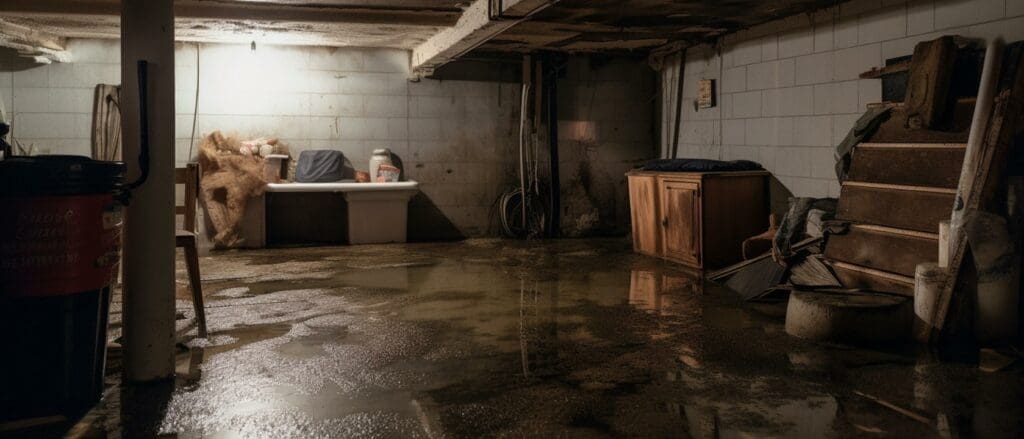
The ground around your home should slope away from the foundation, not toward it. Over time, soil settles and creates low spots that trap water against walls. Check grading annually and add soil where needed to maintain a consistent slope. Make sure downspouts extend at least 10 feet from the foundation and discharge away from the house.
Clogged or overflowing gutters dump water directly at the base of your walls. Clean them at least twice a year (spring and fall) and repair any sections that sag, leak, or pull away from the roofline. This is one of the simplest ways to reduce water exposure to your foundation.
Small cracks in basement walls may seem harmless, but they give water a direct path inside. Monitoring cracks and having them evaluated early prevents minor issues from turning into active leaks or structural concerns. Cracks that widen, shift, or appear horizontally deserve prompt professional attention.
High humidity inside the basement can cause condensation on walls, promote mold, and accelerate deterioration of mortar and concrete over time. Run a dehumidifier during humid months, ensure dryer vents exhaust outside, and check that bathroom or laundry plumbing isn't adding moisture to the space
Homes across Missouri, Kansas, and Iowa face conditions that accelerate basement wall deterioration.
Clay soils expand when saturated and shrink during dry spells, creating constant pressure changes against foundation walls. Spring rains can keep soils waterlogged for weeks, and freeze-thaw cycles in winter push moisture into cracks and joints where it expands and causes further damage.
Older neighborhoods in Kansas City, Wichita, and Des Moines often have aging drainage systems, original mortar joints, and decades of soil settlement working against them. Homes built on clay-heavy lots are especially vulnerable without consistent maintenance.
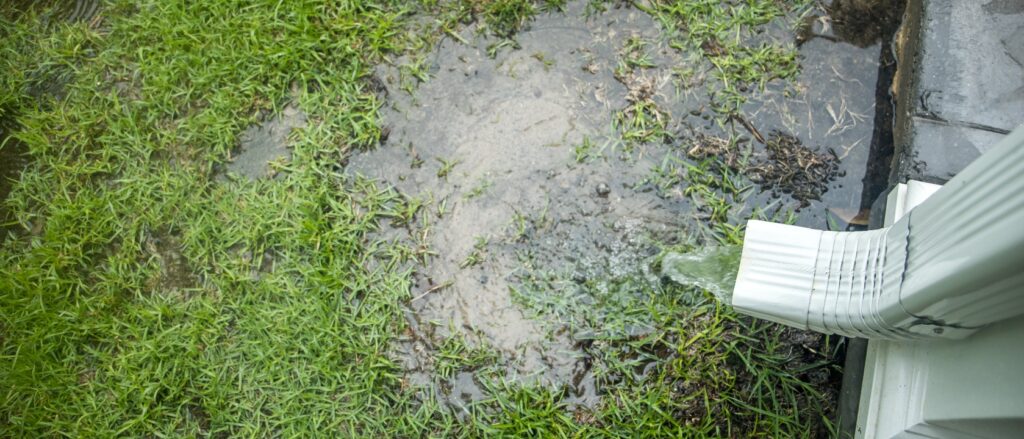
Even with good maintenance, it helps to know what early warning signs look like. Watch for:
New or widening cracks in walls or mortar joints
Efflorescence (white mineral deposits) appearing on concrete or block
Damp spots or discoloration that show up after rain
Musty smells that persist between storms
Paint peeling or bubbling on basement walls
Bowing, leaning, or bulging in any section of wall
Water stains along the base where wall meets floor
Catching these early gives you more options and keeps repair costs lower.
Since 1975, Dry Basement® Foundation Repair has helped Midwest homeowners keep basement walls strong and dry.
Our team evaluates your walls, drainage, and soil conditions to identify vulnerabilities before they become costly repairs. Whether you need crack repair, drainage improvements, wall reinforcement, or a complete waterproofing system, we design the solution around your home and local conditions.
We focus on long-term results, not temporary patches. Every recommendation is based on what we find during the inspection, and our work is backed by strong warranty coverage.
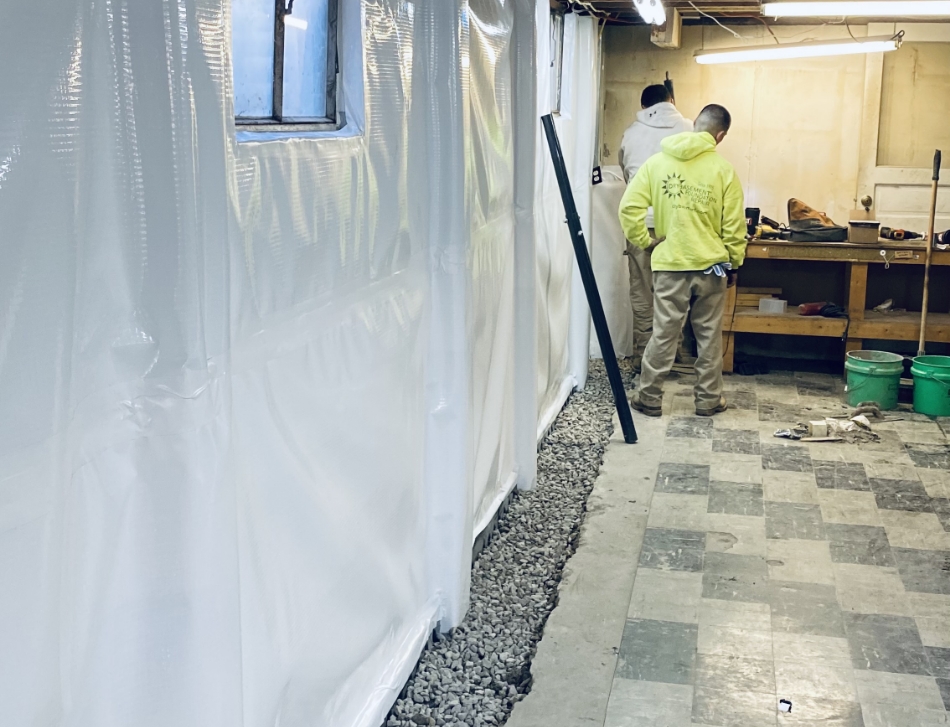
Protecting your basement walls starts with knowing where you stand. If you’re unsure about your drainage, noticing early warning signs, or just want peace of mind heading into storm season, schedule a free inspection with Dry Basement® today.
We’ll assess your walls, identify any risks, and give you a clear plan to keep your home protected.
How often should I check my basement walls for damage?
At least twice a year, ideally in spring (after freeze-thaw season) and fall (before winter). Also check after any unusually heavy rain or extended wet period.
Can interior waterproofing protect walls from future damage?
Yes. Interior systems manage water that reaches the wall and route it away before it causes damage to finishes, framing, or air quality. They work best when paired with good exterior drainage.
Is it worth fixing small cracks even if they’re not leaking?
Generally, yes. Small cracks are easier and less expensive to address now than after they widen, allow water in, or contribute to wall movement. Think of it as preventive maintenance.
Since 1975 Dry Basement® has protected homes across Missouri, Kansas, and Iowa from foundation movement, water intrusion, and structural damage.
Family-owned since 1975. Honest assessments, engineered systems, and lifetime transferable warranties on qualified work.
Family-owned since 1975. Honest assessments, engineered systems, and lifetime transferable warranties on qualified work.
Expert advice on waterproofing, foundation repair, crawl spaces, and mold, written for Midwest homeowners.
Expert advice on waterproofing, foundation repair, crawl spaces, and mold, written for Midwest homeowners.
Build a career with a Midwest company that has protected homes since 1975. Competitive pay, year-round work, and room to grow.
Every home is different. We design customized, engineered systems that deliver a permanent fix. Our certified crews protect your home for the long term.
Not sure what you are looking at? These are the questions Midwest homeowners ask us most, answered by our inspectors: what causes each problem, how serious it is, and how we fix it.