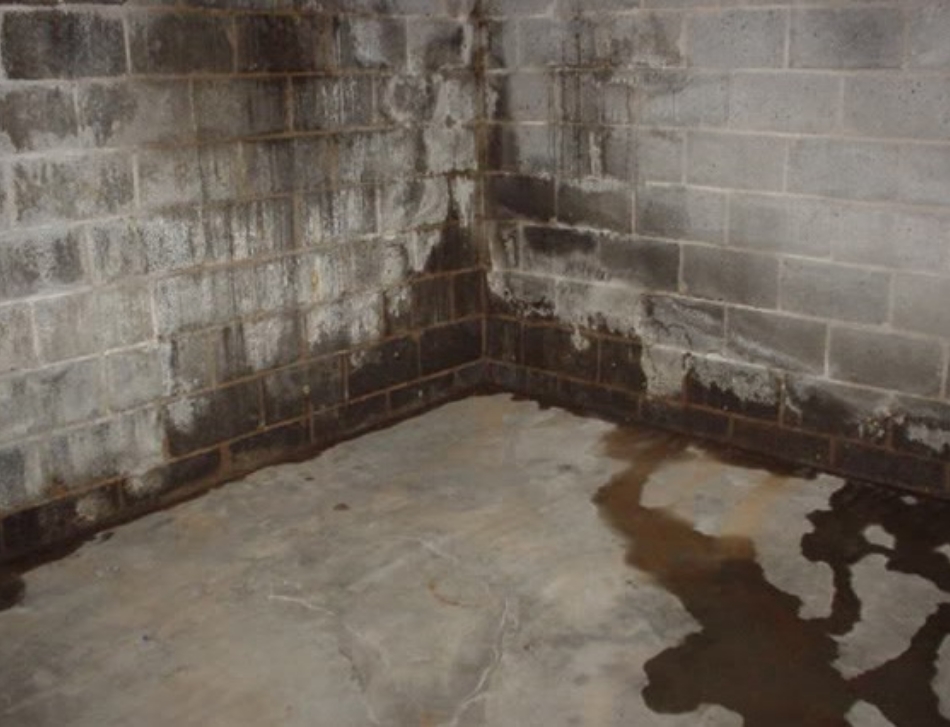
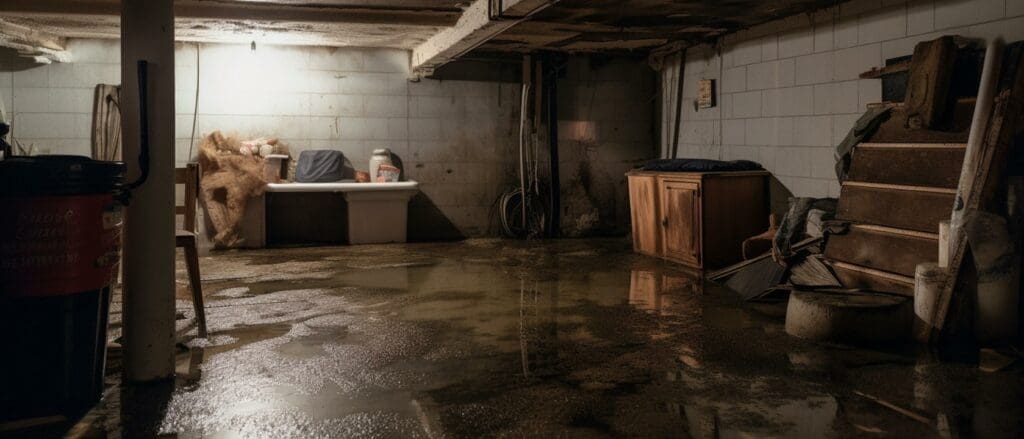
If your basement feels damp, sticky, or smells musty during the warmer months, you’re not imagining it. Basement humidity is one of the most common issues homeowners deal with across Missouri, Kansas, and Iowa, and it tends to get worse between April and September when outdoor moisture levels climb.
High humidity isn’t just uncomfortable. It can feed mold growth, damage stored belongings, warp wood framing, and affect the air quality throughout your entire home. Up to half of the air you breathe upstairs originates from below, so what’s happening in your basement matters more than most people realize.
The good news: once you understand what’s causing it, basement humidity is fixable.
Several factors can drive humidity levels up in a basement. Most homes deal with more than one at the same time.
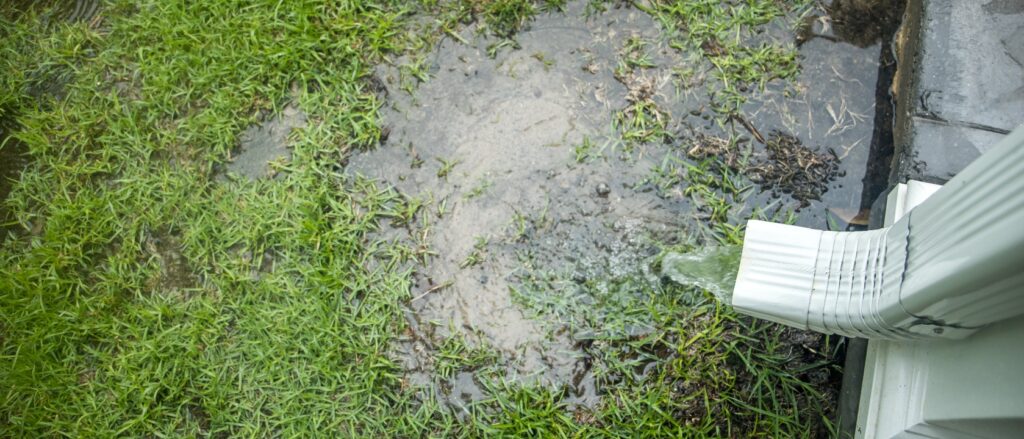
Homes in Kansas City, Wichita, Des Moines, and surrounding communities sit on clay-heavy soils that hold water for extended periods after rain. Spring storms saturate the ground, and then summer heat creates high outdoor humidity that pushes into cooler below-grade spaces. Add freeze-thaw cycles that open small cracks over time, and you have conditions that keep basements damp season after season.
You don't need to measure moisture content in your home to know something is off. Watch for: Musty or earthy odors Condensation on pipes, windows, or walls Visible mold or mildew (often along baseboards or corners) Peeling paint or bubbling wall finishes Damp or clammy feeling in the air Warped wood or rusting metal Foggy basement windows If you notice several of these signs, humidity is likely above the 50 to 60% range where problems start.
Start with practical steps you can handle on your own:
These steps help with mild humidity. If the problem persists after addressing them, there’s usually something deeper going on.
Persistent basement humidity that doesn’t respond to a dehumidifier or basic maintenance often signals active water intrusion, a drainage failure, or a crawl space moisture issue feeding into the home. When you’re running a dehumidifier constantly and the space still feels damp, or when humidity returns every time it rains, it’s worth getting a professional evaluation to find the source.
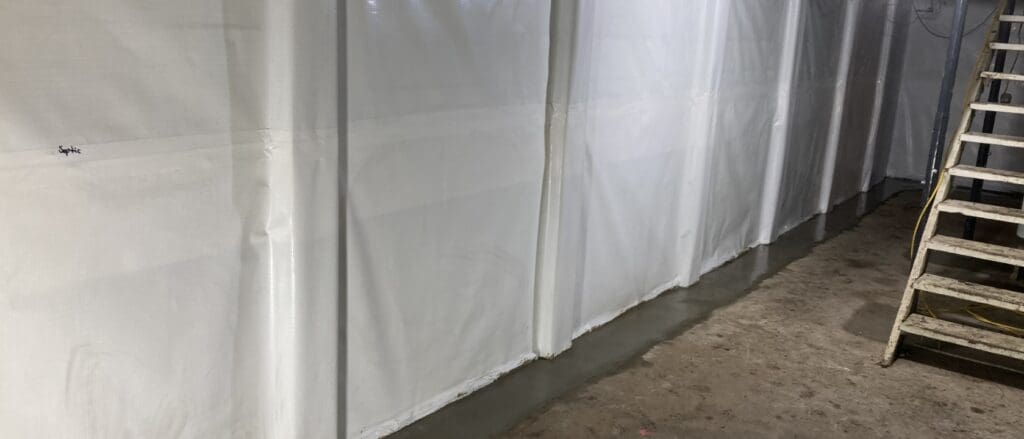
Since 1975, Dry Basement® Foundation Repair has helped homeowners across Missouri, Kansas, and Iowa solve moisture problems at the source. Our team inspects for water entry points, evaluates drainage, checks crawl space conditions, and recommends solutions designed for local soil and weather. That can include interior waterproofing, proper dehumidification, crawl space encapsulation, or drainage improvements depending on what the inspection reveals. Schedule a free inspection and get clear answers about what’s causing the humidity in your basement.
Basement humidity doesn’t fix itself, but it doesn’t have to be a mystery either. Identify the source, address what you can, and get professional help when basic fixes aren’t enough. If your basement stays damp no matter what you try, schedule a free inspection with Dry Basement® and find out what’s really going on underneath your home.
What humidity level is too high for a basement?
Anything consistently above 60% creates conditions for mold growth and material damage. Aim to keep your basement between 30 and 50% relative humidity year-round.
Can a dehumidifier fix basement humidity permanently?
A dehumidifier manages symptoms, but it doesn’t stop the moisture from entering. If groundwater, poor drainage, or crawl space issues are the cause, a dehumidifier alone won’t solve the problem long-term.
Does basement humidity cause mold?
Yes. Mold needs moisture, organic material, and time. A humid basement provides all three. Reducing humidity below 50% significantly slows mold growth and helps prevent it from starting.
Should I close crawl space vents in summer?
In most cases, yes. Open vents allow hot, humid outdoor air into the cooler crawl space, which creates condensation and raises moisture levels. Sealing or encapsulating the crawl space is a more effective long-term solution.
Since 1975 Dry Basement® has protected homes across Missouri, Kansas, and Iowa from foundation movement, water intrusion, and structural damage.
Family-owned since 1975. Honest assessments, engineered systems, and lifetime transferable warranties on qualified work.
Family-owned since 1975. Honest assessments, engineered systems, and lifetime transferable warranties on qualified work.
Expert advice on waterproofing, foundation repair, crawl spaces, and mold, written for Midwest homeowners.
Expert advice on waterproofing, foundation repair, crawl spaces, and mold, written for Midwest homeowners.
Build a career with a Midwest company that has protected homes since 1975. Competitive pay, year-round work, and room to grow.
Every home is different. We design customized, engineered systems that deliver a permanent fix. Our certified crews protect your home for the long term.
Not sure what you are looking at? These are the questions Midwest homeowners ask us most, answered by our inspectors: what causes each problem, how serious it is, and how we fix it.